


Anemone: A Classic Perennial for Your Garden
Anemone is one of our most beloved perennials, enchanting gardeners with its elegant flowers and robust character. This charming plant has been a fixture in British gardens for generations and remains a popular choice for both beginners and experienced gardeners alike.
A Versatile and Hardy Perennial
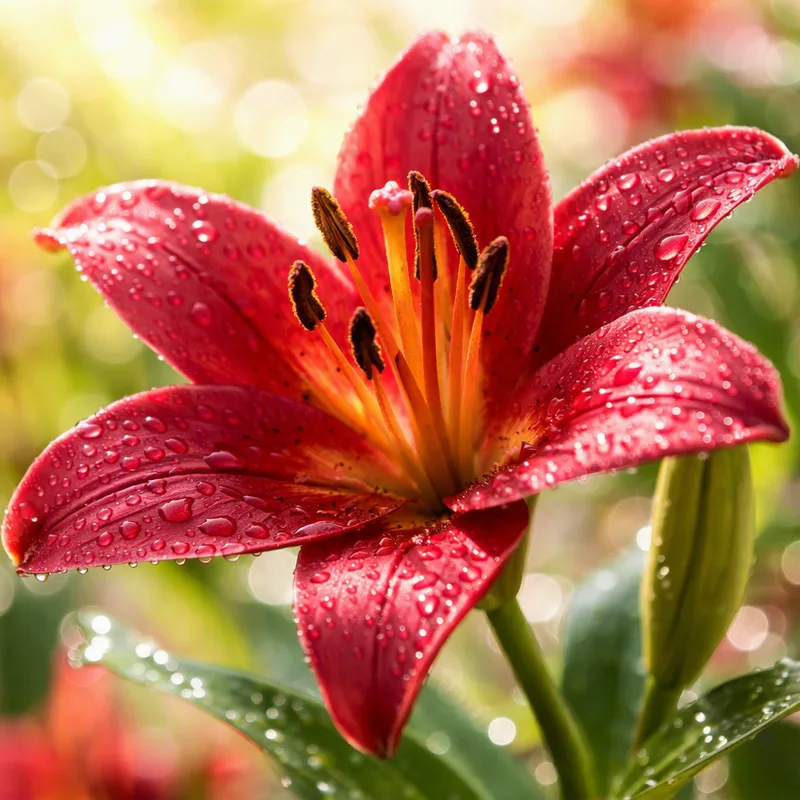
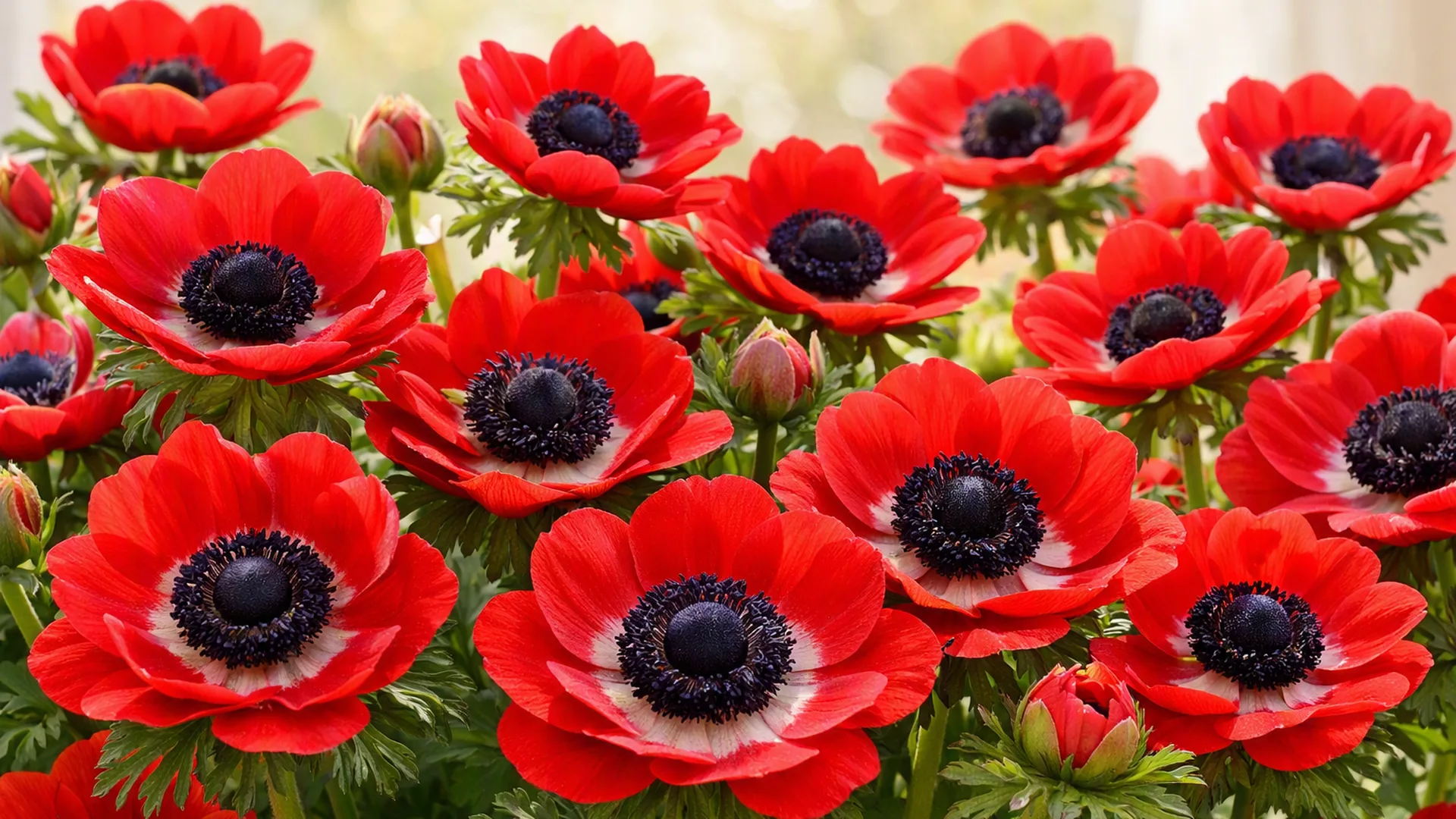
Anemone stands out through its remarkable adaptability and long flowering period. The plant produces beautiful flowers in various shades that brighten the garden in spring. The characteristic flowers have a simple elegance that suits formal flower beds just as well as naturalistic plantings.
Ideal Location and Soil Conditions
For best results, anemone thrives in well-drained soil with good humus content. The plant prefers a position with morning sun and afternoon shade, making it perfect for planting beneath trees or in partially shaded areas. The soil should be moist but not waterlogged, as standing water can damage the roots.
Planting and Establishment
When planting, it's important to prepare the soil thoroughly by working in compost or well-rotted manure. Anemone is best planted in spring once the frost risk has passed. Give the plants sufficient space to develop, typically around 30-40 centimetres apart.
Care During the Growing Season
During the active growing season, anemone needs regular but moderate watering. The plant appreciates consistent moisture in the soil without becoming waterlogged. Mulching around the plants helps retain moisture and keep weeds at bay.
Deadheading and Maintenance
Regular removal of spent flowers encourages continued flowering and keeps the plant tidy. In autumn, you can allow the final flowers to develop into seed if you'd like the plant to self-seed. Otherwise, cut the plant back as it begins to fade.
Overwintering and Long-term Care
Anemone is generally hardy in British climates. A light covering of leaves or evergreen branches can help in colder areas. The plant returns year after year and often becomes more beautiful with time once it's well established.
Combinations and Garden Design
This versatile perennial works beautifully with other shade-tolerant plants. It complements hostas, astilbe and dicentra perfectly in shaded borders. In sunnier positions, it can be combined with roses and other classic perennials for a romantic feel.