Calla Lilies: The Epitome of Elegance
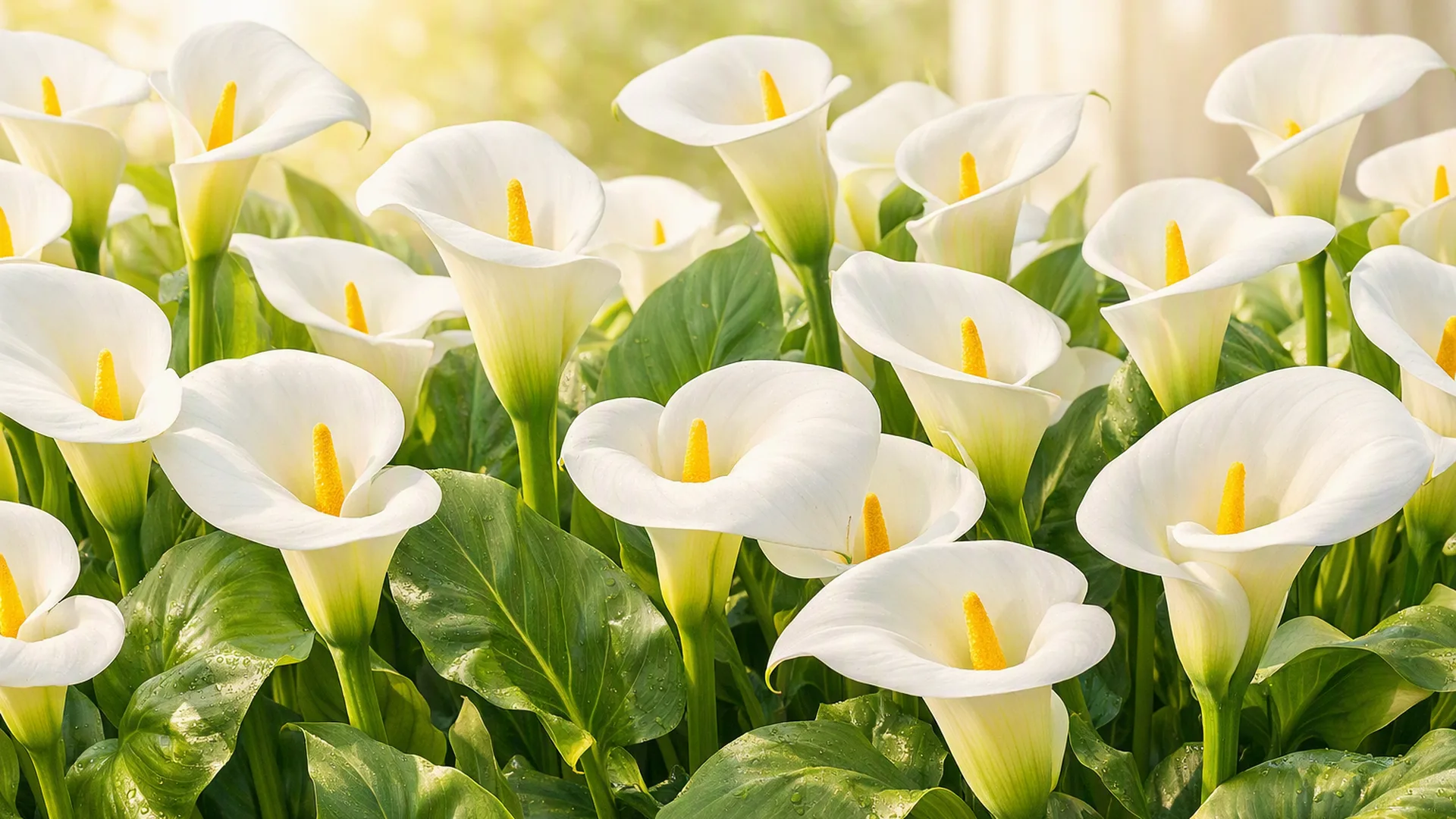
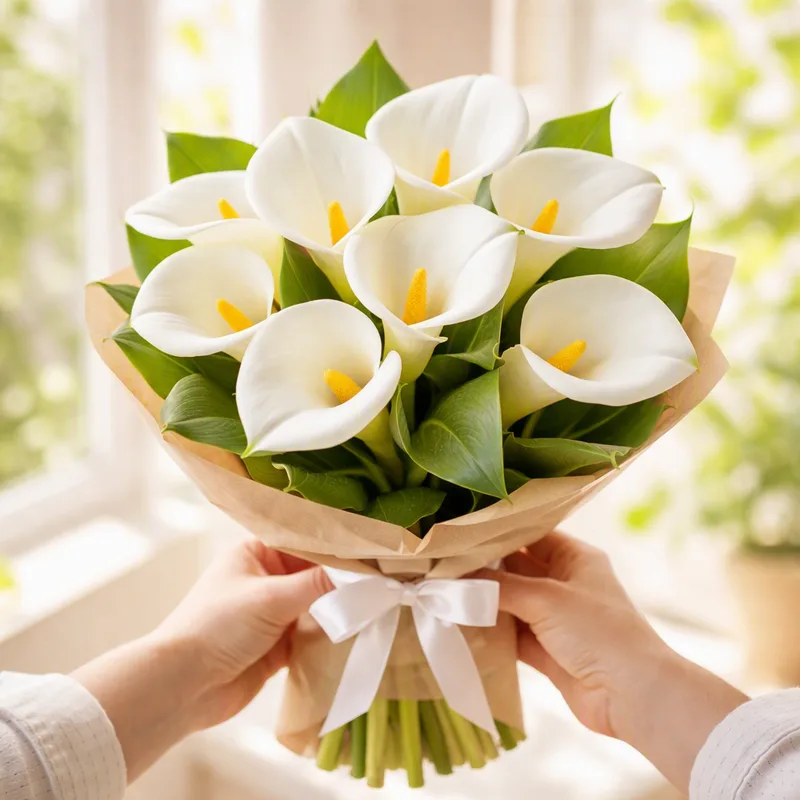
The calla lily, scientifically known as Zantedeschia aethiopica, is one of the most elegant and timeless flowers in existence. The classic white calla represents a symbol of purity and sophistication that has adorned homes and gardens for generations.
A Majestic Flower with Unique Character
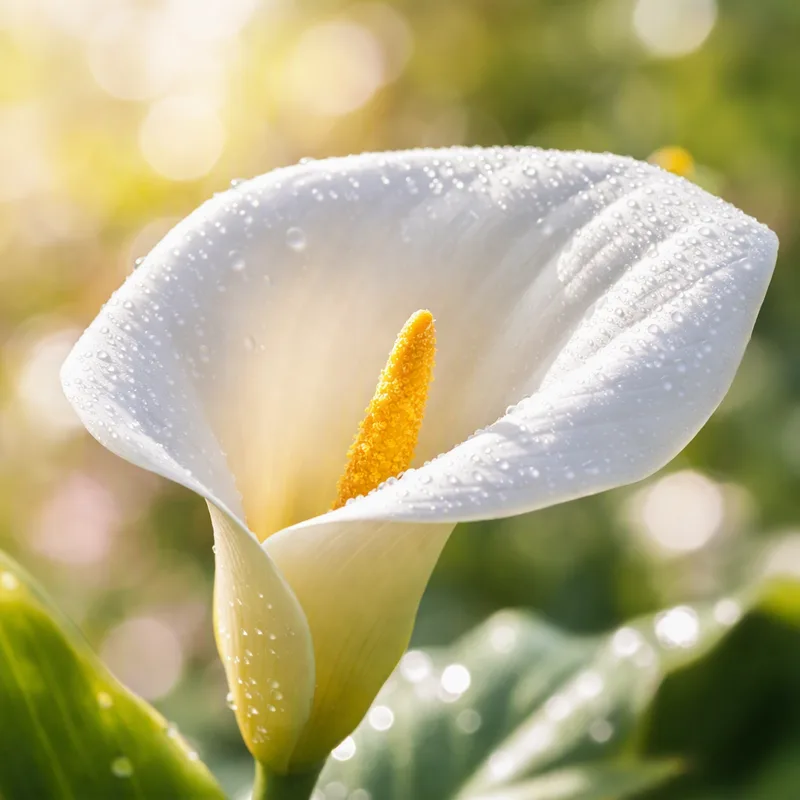
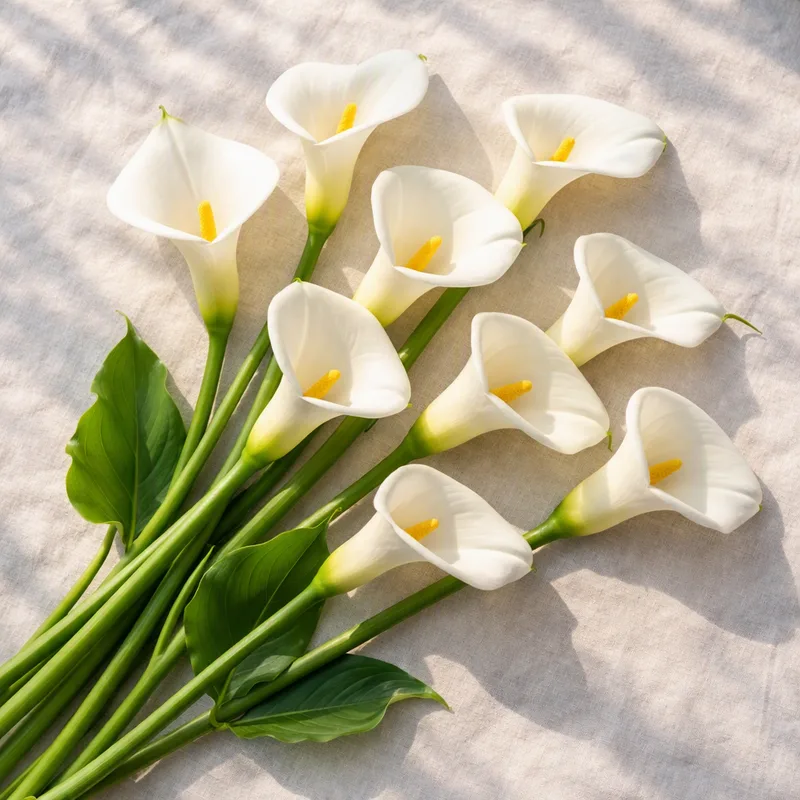
The classic calla lily stands out through its characteristic white flower spikes, surrounded by an elegant, trumpet-shaped spathe. This impressive structure, which many mistakenly believe is the flower itself, is actually a modified leaf called a spathe. The true flowers are small and discreet, clustered on the yellow spadix in the centre.
The leaves are equally impressive as the flower, with their deep green colour and arrow-shaped structure.
Growing and Planting Callas
Calla lilies thrive best in moist, nutrient-rich soil with good drainage. The plant prefers a sunny to semi-shaded location where it can receive sufficient light to develop its magnificent flowers. When planting, it is important to position the tubers at the correct depth, approximately 10-15 centimetres below the soil surface.
Temperature plays a crucial role in the calla's wellbeing. As a heat-loving plant, it needs protection from frost and cold, making it perfect as a potted plant that can be moved indoors during winter months.
Watering and Feeding for Optimal Growth
Regular watering is essential for the calla's health. The plant loves moisture but cannot tolerate standing water, which can cause rot on the tubers. During the growing season, the calla requires plenty of water, especially when flowering and developing new leaves.
Feeding is equally important as watering. Balanced fertiliser applied regularly during the growing season helps the plant produce more and larger flowers. Organic compost or well-balanced liquid fertiliser works excellently.
Flowering and Seasonal Cycle
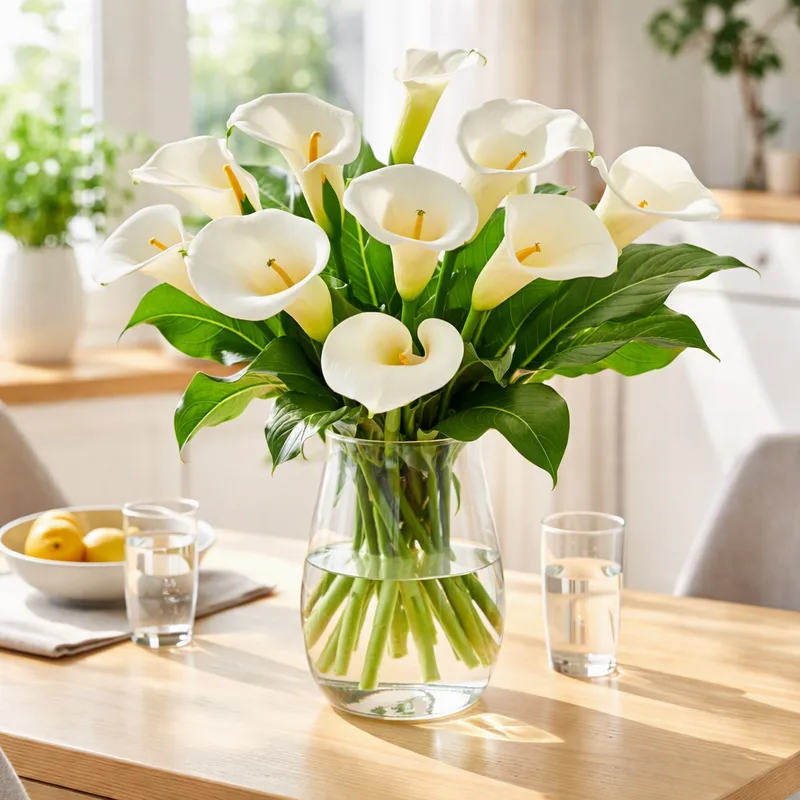
The calla's flowering period typically extends from late spring to early autumn, depending on growing conditions. Each flower can remain beautiful for several weeks, making the calla a long-lasting source of joy in the garden or home.
After flowering, the plant enters a dormancy period where the leaves gradually yellow and die back. This is natural and signals that the tuber is preparing itself for the next planting season.
Overwintering and Long-Term Care
In colder climates, calla tubers must be lifted from the soil before the first frost. They should be dried and stored in a cool, dry place over winter. Alternatively, potted specimens can be moved indoors and kept in dormancy with minimal watering.
With proper care, your calla can flower year after year and even propagate by producing new tubers. This makes it a valuable investment for anyone who appreciates classic elegance in their garden.