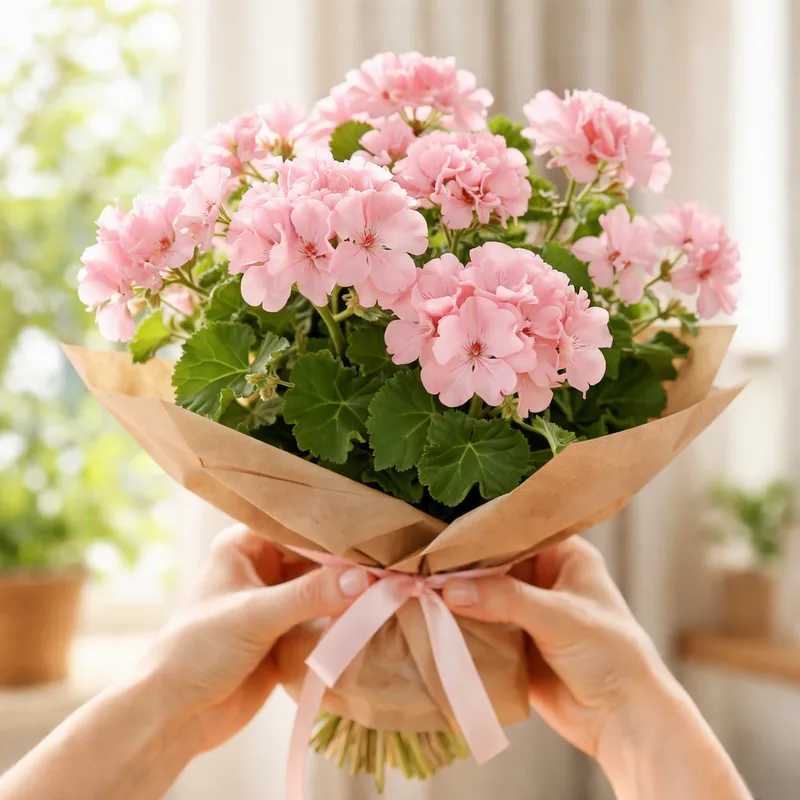
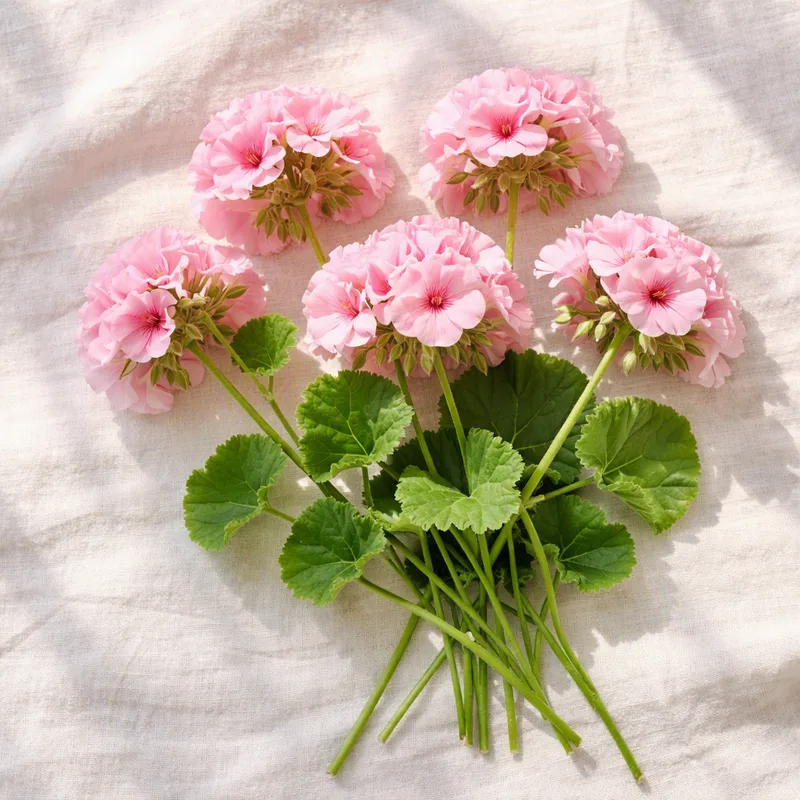
Pink Geranium – Nature's Summer Classic
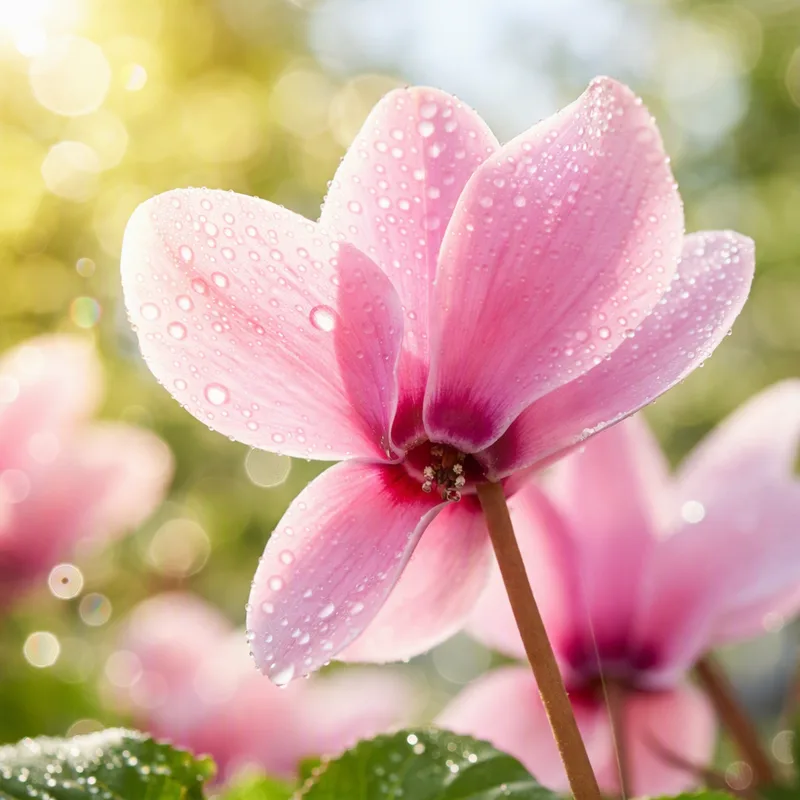
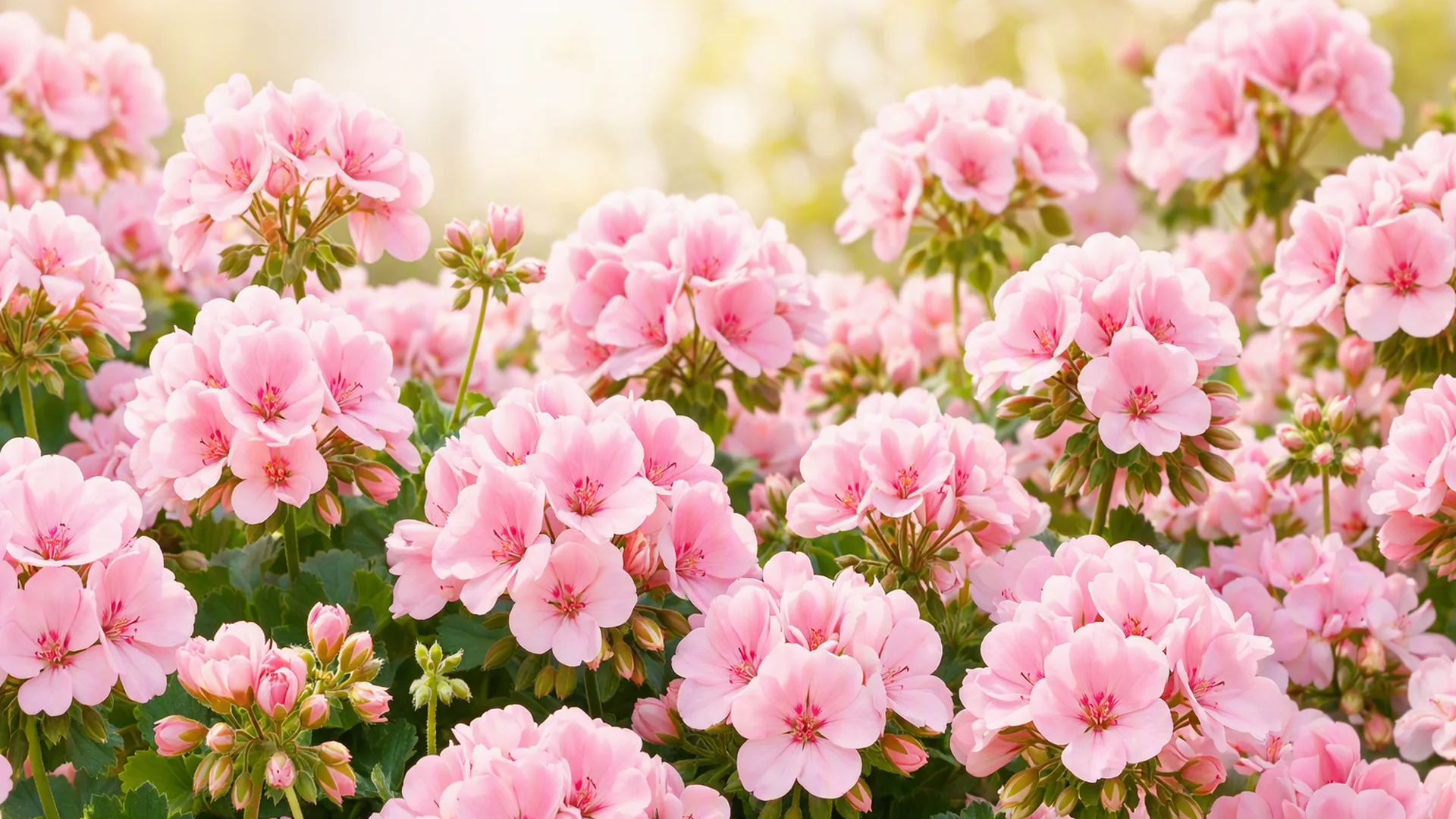
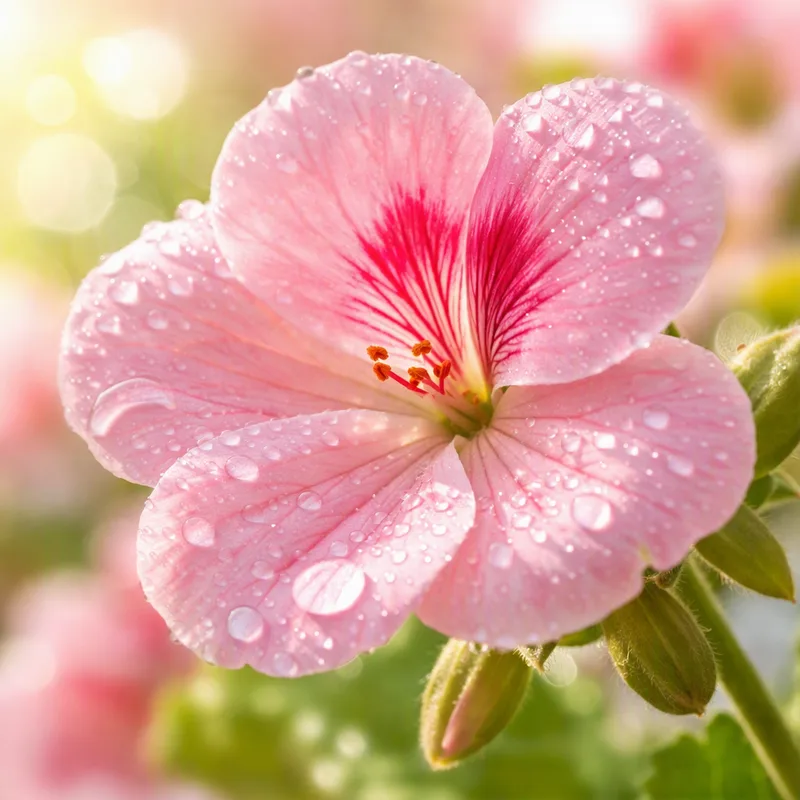
Pink geranium is one of our most beloved balcony flowers and a true classic in British homes. With its beautiful pink blooms and characteristic fragrance, the geranium brings summery charm from May through to October. Pelargonium, which is the plant's botanical name, originally comes from South Africa but has become an essential part of British garden culture.
Why Choose Pink Geranium
Pink geranium offers a soft and romantic colour tone that pairs beautifully with other summer flowers. The colour ranges from pale pink to deeper cerise shades, giving you the opportunity to create stunning colour combinations in your pots and flower beds. Geraniums are also wonderfully easy to grow and flower abundantly throughout the entire growing season.
Planting and Soil Requirements
Geraniums thrive best in nutrient-rich, well-draining soil with good permeability. Use quality potting compost mixed with a little perlite or sand to improve drainage. Don't plant out your geraniums until the risk of frost has passed, usually at the end of May. Choose a sunny to part-shaded spot where the plant receives at least six hours of sun per day.
Watering and Feeding
Regular watering is important for geraniums, but avoid making the soil too wet. Allow the soil to dry out slightly between waterings and water preferably in the morning so the leaves have time to dry before evening. Feed once a week with liquid flowering plant food to encourage abundant blooming. During warm spells you may need to water daily.
Pruning for Better Flowering
Regular pruning is the key to a abundantly flowering geranium. Pinch out faded flowers continuously to stimulate new blooms. Also remove yellowed or damaged leaves. If the plant becomes too large or sprawling, you can prune more heavily, which will result in a bushier and more floriferous plant.
Overwintering Geraniums
Geraniums are perennial plants that can be overwintered indoors. Before the first frost, bring the plants inside and place them in a bright, cool location with temperatures around 10-15 degrees. Reduce watering significantly over winter and don't feed until spring arrives. Many gardeners prefer to take cuttings in autumn as a safer way to preserve their favourite varieties.
Common Problems and Solutions
Geraniums can be affected by aphids, spider mites or fungal diseases if they receive too much moisture. Good air circulation and correct watering prevent most problems. If you notice pests, treat with insecticidal soap or natural plant protection products. Yellowed leaves can indicate too much or too little water, so adjust your watering routine as needed.