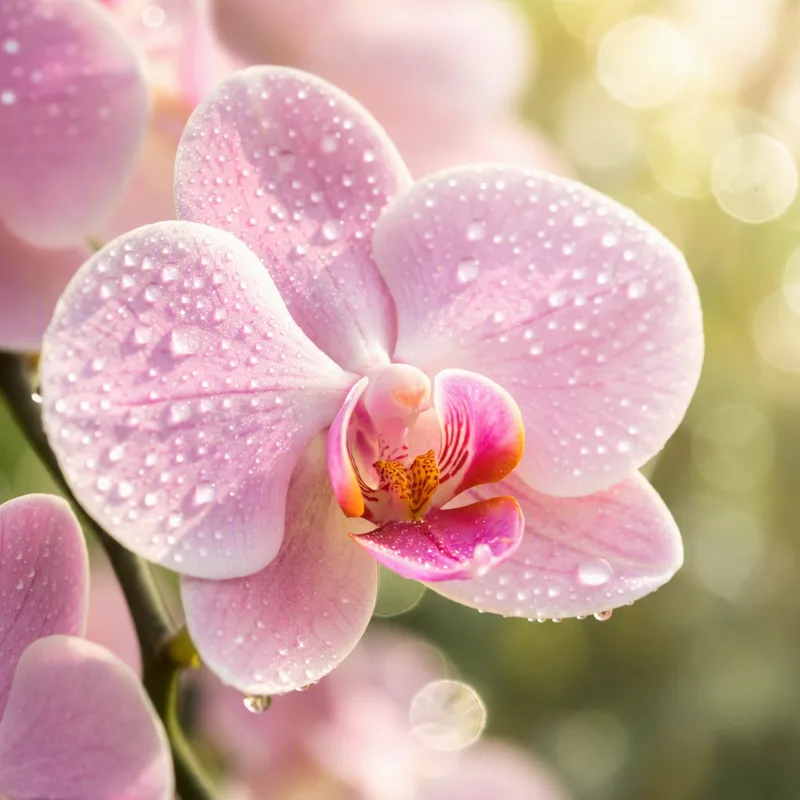
Hyacinth – Pink, a Classic Beauty
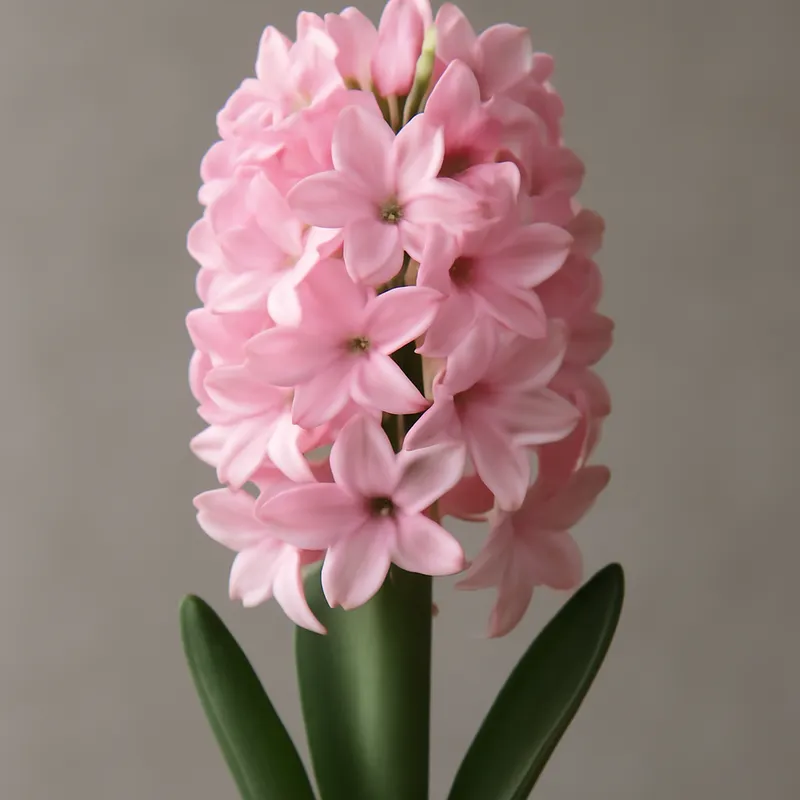
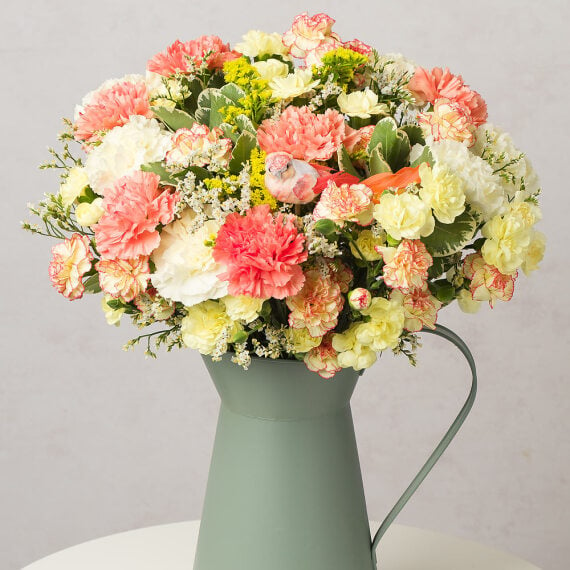
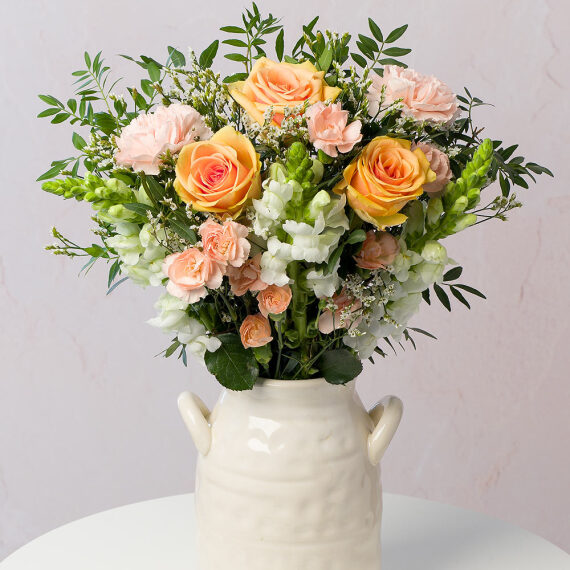
Pink hyacinth is a truly beautiful flower that is appreciated by many flower enthusiasts. Pink hyacinth is characterised by its dense, cluster-shaped flowers in a soft and appealing pink colour. This variety of Hyacinthus orientalis is perfect when you want to give something truly special without having to go to too much effort. Pink hyacinth works both as a cut flower in an elegant bouquet and as a potted flower that can adorn a table or windowsill.
Care and Cultivation of Pink Hyacinth
If you want to grow pink hyacinth at home, the flower needs plenty of water to thrive best. Make sure the soil is moist but not waterlogged – this is the key to successful cultivation. Pink hyacinth thrives best in partial shade, so place it somewhere where it receives a little indirect sunlight during the day.
Pink Hyacinth as a Gift
Pink hyacinth is an excellent gift for many occasions, especially birthdays. This flower signals care and thoughtfulness without seeming over the top, which makes it perfect when you want to impress without having to do anything complicated. Do bear in mind that pink hyacinth is toxic to pets, so make sure the recipient knows this if they have dogs or cats at home. With its elegant colour and classic appearance, pink hyacinth is simply a flower that never fails.
FAQ about Hyacinth – Pink
What kind of soil suits hyacinths best?
Hyacinths grow best in well-drained, fertile soil with a pH of about 6-7. The soil must be free-draining, as the bulbs rot easily in wet ground. Dig in some compost before planting to improve structure and nutrition.
How often should hyacinths be watered?
Keep the soil lightly moist but never wet while the plant is growing and flowering. Water moderately when the top few centimetres feel dry. After flowering, reduce watering gradually and stop when the leaves turn yellow, as the resting bulbs need dry soil.
Do hyacinths need cutting back?
Hyacinths need very little attention. Cut off the spent flower spike after flowering to stop seed setting, but leave the leaves until they yellow naturally, usually six to eight weeks later, as they feed the bulb.
Which pests and diseases can affect hyacinths?
The most common problem is bulb rot caused by too much moisture and poor drainage. Aphids sometimes attack the young shoots in spring. Rinse them off with water or use insecticidal soap. Good drainage and avoiding overwatering prevent most problems.
Can hyacinths stay in the garden over winter?
Yes, garden hyacinths are hardy and rest in the ground over winter. In cold, exposed gardens a thin layer of leaves gives extra protection. Forced hyacinths grown in pots can be planted out in the garden after flowering, though they usually flower more modestly in the following years.