

Classic Primrose: A Beloved Spring Flower
Classic Primrose is one of our most beloved spring flowers, brightening the garden as winter loosens its grip. With its vibrant colours and robust nature, this charming plant has become a favourite amongst both beginners and experienced gardening enthusiasts.
A Versatile Spring Flower for Every Garden
Classic Primrose belongs to the Primulaceae family and is known for its characteristic rosette-shaped leaves and colourful flowers that arrive early in spring.
A Riot of Colour
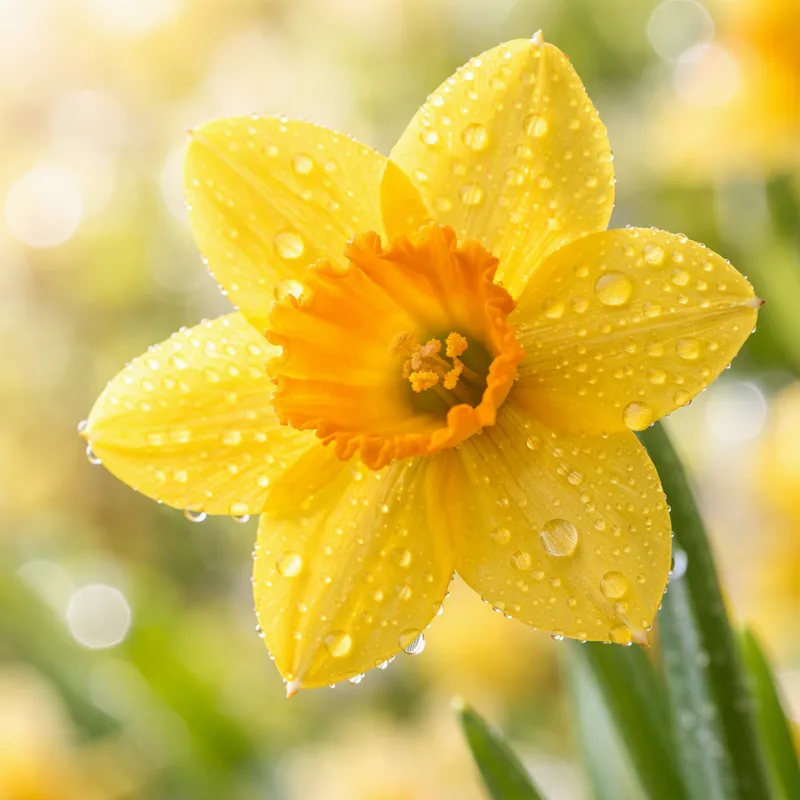
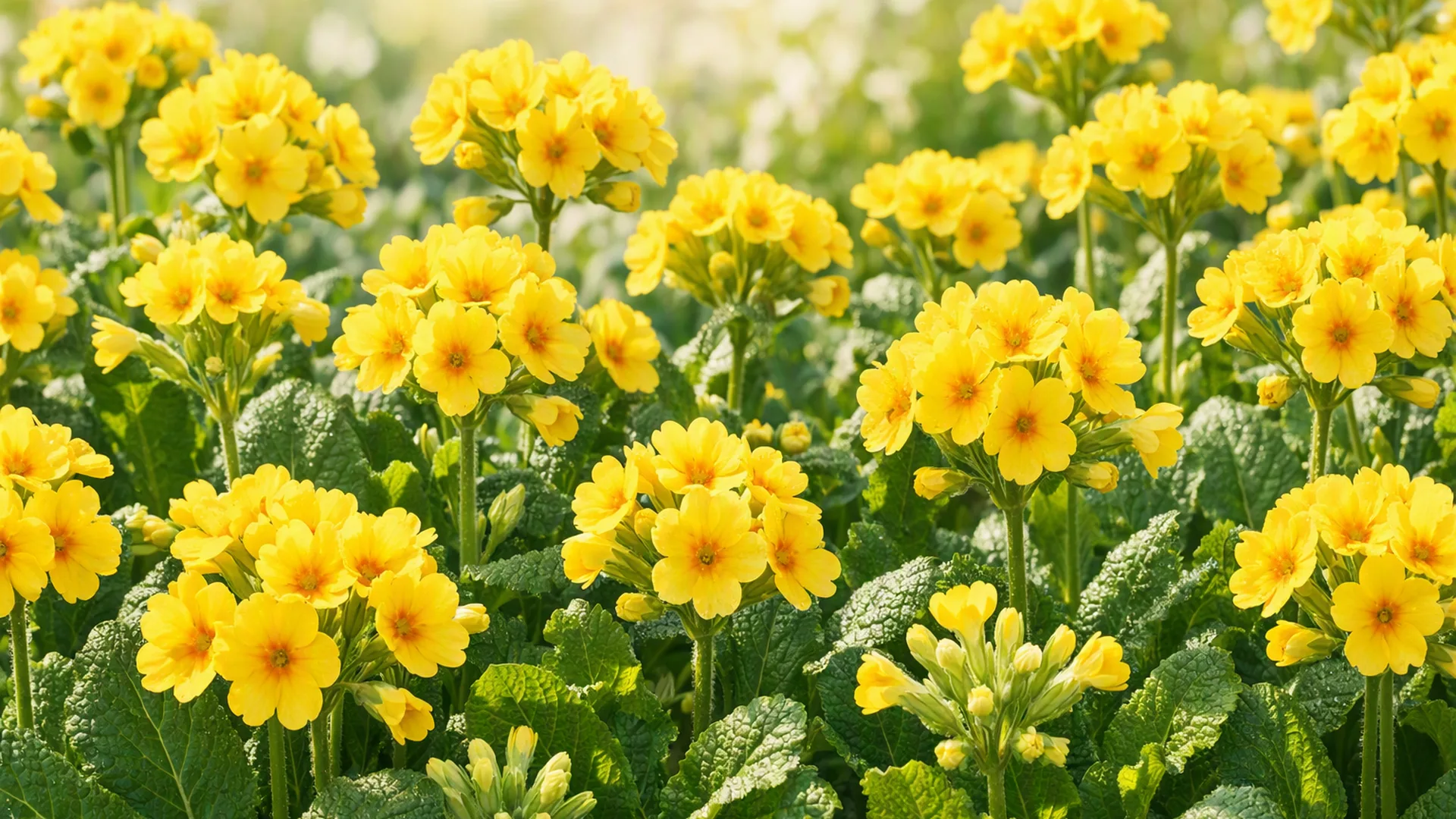
The flowers come in an impressive palette of colours – from classic yellow and white to deep reds, blues and purple shades. Many varieties also feature bi-coloured flowers or contrasting centres that create extra visual impact. Flowering typically extends from March to May, depending on climate and weather conditions.
Ideal Placement for Best Results
Classic Primrose thrives best in partial to full shade, where it is protected from strong midday sun. The plant appreciates moist but well-drained soil rich in humus. A spot beneath deciduous trees or on the north side of buildings often provides optimal conditions.
Planting and Establishment
The best time for planting is early autumn or early spring. Plant so that the soil level is at the same height as it was in the pot. Space plants 15-20 centimetres apart to allow them room to develop. After planting, it is important to keep the soil evenly moist until the plants are established.
Care During the Growing Season
During flowering, Classic Primrose requires regular watering, especially during dry spells. Avoid watering the foliage to reduce the risk of fungal diseases. Remove spent flowers regularly to encourage continued blooming and prevent self-seeding if unwanted.
Overwintering and Perennial Growing
Classic Primrose is a perennial and can be overwintered outdoors in most parts of the country. A layer of leaves or evergreen branches over the plants provides extra protection during cold winters. In spring, new shoots emerge from the rootstock, and plants can be divided every three to four years to maintain vigour.
Combinations and Garden Design
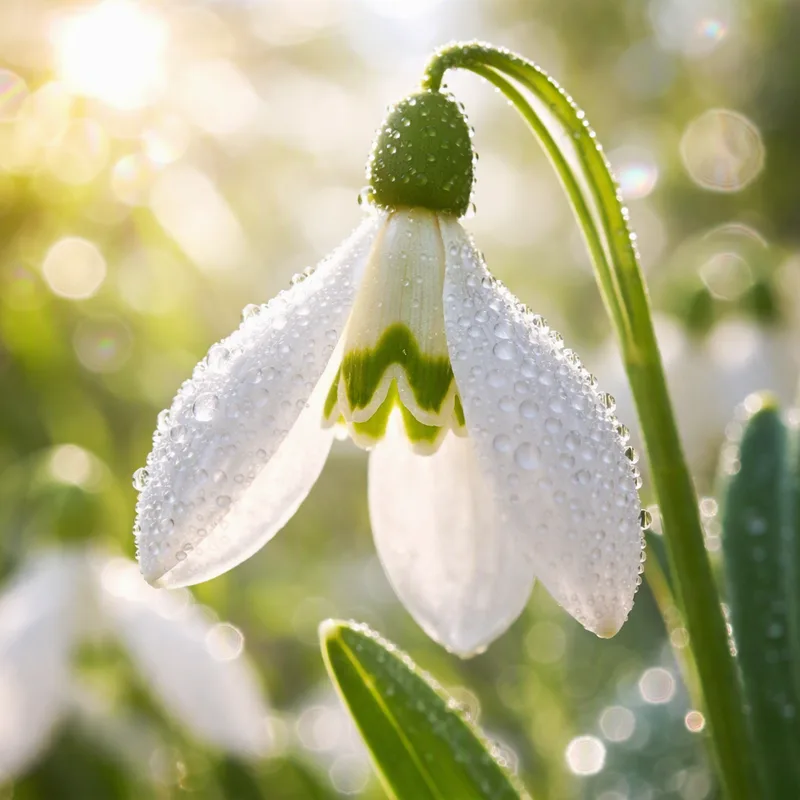
This versatile plant works beautifully with other spring flowers such as crocuses, snowdrops and daffodils. In shady areas, it pairs well with hostas, astilbe and ferns. Classic Primrose is also perfect for naturalistic planting schemes where it can spread naturally.